Grow Sustainable Agriculture
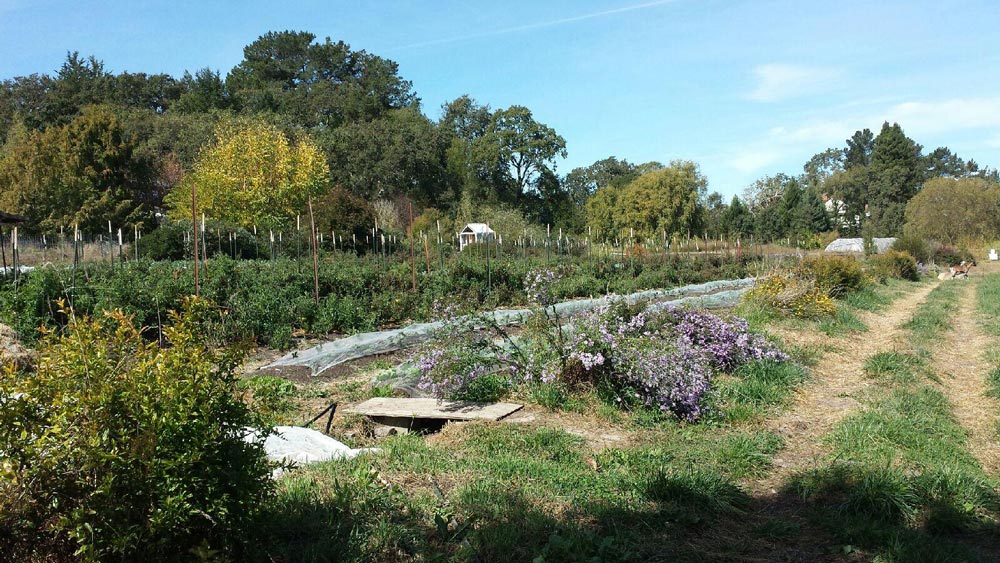
A critical aspect of reducing the use of toxic pesticides, involves completely reimagining food systems without these harmful substances. Sustainable agriculture is about growing food in ways that nourish the soil, protect water and air, create healthy habitat for diverse species, and honor the people who tend the land. It works with nature instead of against it—building healthy ecosystems through practices like soil care, crop diversity and rotation, and reduced reliance on harmful chemicals like pesticides. At its heart, sustainable agriculture is a commitment to caring for our earth and ensuring that farmworkers, farmers, and communities can thrive, today and for generations to come.
Alternatives
Successful ways to reduce and even eliminate hazardous pesticide use while keeping pest populations down are being used in farms, forests, parks, schools and cities throughout California and across the world. Nevertheless, chemical pesticide use continues as the pest management tool of choice. At one end of the pest-management spectrum is conventional, chemical-intensive pest control—the most dangerous and least desirable method. At the other end of the spectrum is an array of proven alternatives that put safety, health and environmental sustainability first, and stress an approach to pest management that looks at the whole environment affected by pests.
The conventional system sees pests as intruders that must be removed on principle, generally with toxic, synthetic pesticides. Regardless of health, environmental or sometimes even economic costs, getting rid of the pest is the sole objective. Pests are managed as though they are isolated from the world around them. Sometimes, conventional practitioners apply pesticides even though there is no evidence of the target pest, but simply because it is the time of year when pests might be present.
There are proven alternatives to conventional pesticide use. These approaches consider pest problems within a broad context that considers many factors, including the presence of natural enemies, whether the pest population has been rising or falling, the time of year, and expected weather patterns, all of which can influence whether the pest will flourish or simply die away. These approaches also call for determining if pests are actually causing or are likely to cause damage to health or crops, and, if they are, whether the extent of damage warrants action.
Showing that these alternatives work, many local governments and school districts now rely on non-pesticide techniques to control pests. And every commercial crop grown in California is grown somewhere using organic methods, which largely exclude hazardous materials.
CPR has been involved in a multi-agency working group to lay out California’s Sustainable Pest Management Roadmap, which was published in 2024.
2050 Goals for California Pest Management
- Eliminate the use of Priority Pesticides by transitioning to sustainable pest management practices.
- Adopt sustainable pest management as the de facto pest management system.