Accomplishments
The coalition’s many accomplishments include passing landmark legislation about pesticide use in schools and childcare facilities (Healthy Schools Acts of 2000 and 2006); winning unprecedented pesticide protection zones around schools, homes and labor camps in some of the highest pesticide use counties in the state; and after a four-year battle taking on Arysta LifeScience – the largest privately-held agrochemical company in the world – the CPR coalition won a major victory banning the cancer-causing strawberry pesticide methyl iodide in California and getting it pulled from the national market in 2012.
CPR also pioneered innovative tactics such as community-based pesticide air monitoring and biomonitoring, as well as launching the first online/mobile community-friendly environmental health reporting networks in the Central Valley (the Fresno Environmental Reporting Network and the Kern Environmental Enforcement Network).
Because California is a critical bellwether state that establishes precedents often followed by other states and by federal policy, CPR’s dynamic work pushing the envelope in California is critical to advancing progressive change nationally.
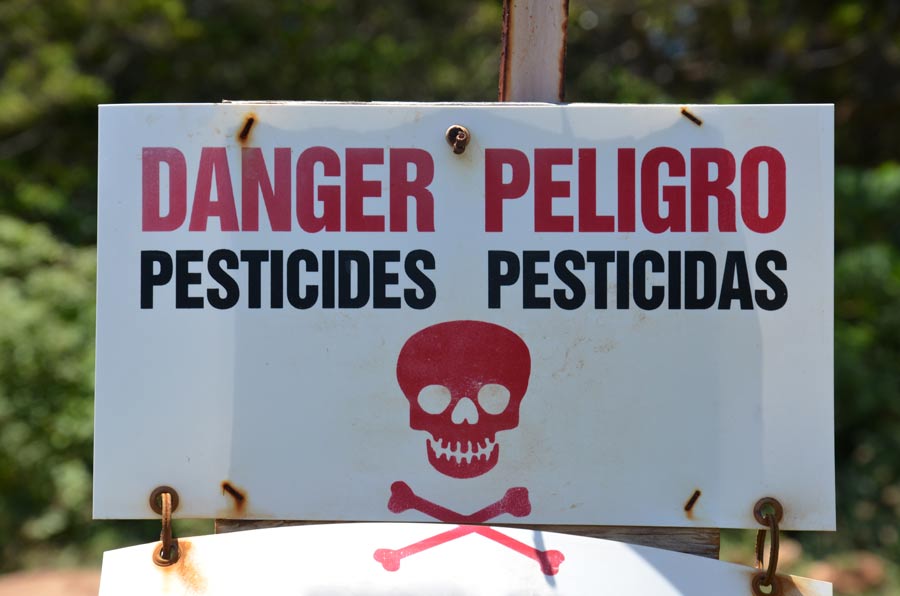
Victory: Methyl iodide banned nationally!
Ignoring assessments of the country’s top scientists, the California Department of Pesticide Regulation (DPR) decided on December 1, 2010 to approve methyl iodide – a pesticide that causes cancer, late term miscarriages and contaminates water – for use in California’s fields. Though many pesticides are dangerous, methyl iodide was one of the most toxic pesticides ever approved for use in the state.
On December 30 2010, Earthjustice and California Rural Legal Assistance, Inc. filed a lawsuit on behalf of Californians for Pesticide Reform, as well as many of our member groups including Pesticide Action Network North America United Farm Workers of America, and Pesticide Watch Education Fund.
Finally, on March 20, 2012, after years of promoting their product in the face of scientific opposition, pesticide manufacturer Arysta LifeScience yielded to mounting pressure and pulled cancer-causing methyl iodide off the US market. Arysta’s decision ends U.S. use of what state scientist reviewers called “one of the most toxic chemicals on earth.”
The California Department of Pesticide Regulation immediately followed Arysta’s announcement by cancelling the registration of methyl iodide, meaning that the chemical is banned for agricultural use in California. In November 2012, the U.S. Environmental Protection Agency cancelled methyl iodide nationally, meaning that it cannot be used anywhere in the country.
Background
In April 2010, CPR published a report Profiles of Poison: Survivors of Pesticide Poisoning Say No to Methyl Iodide. Through this report, nine victims of pesticide poisoning shared their stories and issued a call to DPR and the Governor: Don’t register this new poison for use in California!